
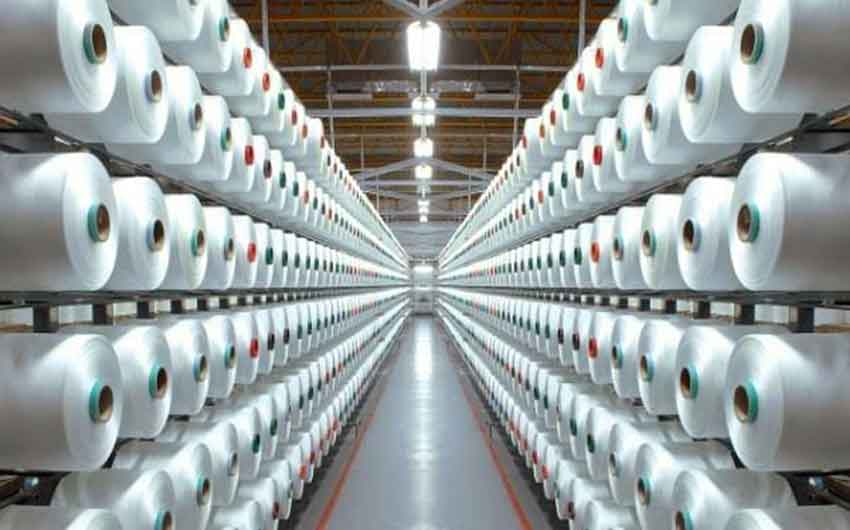
Indonesia's upstream textile industry continued to face pressure throughout the first half of 2026. Declining demand from the downstream sector has caused a contraction in fiber and filament yarn production, while the domestic market remains overshadowed by a high influx of imported products, which continues to pressure the domestic industry's market share.
Redma Gita Wirawasta, Chairman of the Indonesian Fiber and Filament Yarn Producers Association (APSyFI), revealed that upstream textile industry production in the first half of 2026 fell by around 5 percent compared to the same period the previous year. This decline was influenced by weakening demand from the downstream industry, although export performance remained at relatively similar levels to last year.
According to Redma, domestic market conditions have not shown any improvement. The increasing trend in imports, from yarn and fabric to garment products, continues and is gradually reducing the market share of domestic textile products.
He believes the influx of imported products is a major challenge for the domestic textile industry. As long as these conditions remain unchanged, growth opportunities in the domestic market will remain limited, even though national production capacity remains adequate.
In terms of raw materials, APSyFI stated that prices are still following international market movements and tending to experience a slight decline. Generally, raw material supply remains under control, although there are slight constraints on the availability of monoethylene glycol (MEG), a key raw material in the synthetic fiber industry.
Entering the second half of this year, industry players have not seen any significant improvement in business prospects. The main hope now rests on the recovery of the export market, which is starting to show a positive trend in several destination countries.
Although export opportunities are starting to improve, Redma believes that business players must still work harder to secure orders due to increasingly fierce competition in the international market. Meanwhile, the domestic market, which actually still holds significant potential, is facing greater challenges due to high import volumes.
According to him, government policy is the most crucial factor for the sustainability of the national textile industry. Import controls and efforts to strengthen the competitiveness of local products are considered crucial steps to ensure the industry's sustainable growth.
APsyFI hopes that the recovery in export demand will continue until the end of 2026, supporting industry performance amidst a weak domestic market. However, the overall recovery of the textile industry is considered to depend not only on improvements in the global market, but also on government policies in creating a more conducive business climate and providing balanced protection for the national industry.