
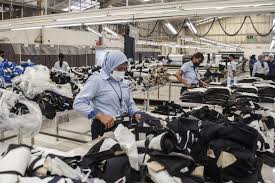
The textile and textile products (TPT) industry in Indonesia is increasingly focusing on improving energy efficiency through modernizing production machinery. This step is crucial given the soaring global energy prices due to geopolitical dynamics, including tensions between Iran and the United States.
The Executive Director of the Indonesian Textile Association (API), Danang Girindrawardana, believes that technological innovation is the primary solution to reducing energy consumption in the industrial sector. He emphasized that energy savings cannot simply rely on policies to reduce fossil fuels, but also need to be supported by upgrading machinery to more efficient and environmentally friendly technologies.
As part of this effort, API is open to international collaboration with countries with more advanced textile machinery technology. One ongoing initiative is a collaboration with the India ITME Society, a non-profit organization specializing in textiles from India. India's technology is considered capable of supporting the accelerated transformation of the national textile industry.
In the near future, API will meet with a delegation from the India ITME Society to introduce leading companies in the textile machinery and technology sector. This collaboration covers various sectors, from spinning, weaving, and processing to dyestuffs and chemicals, digital printing, technical textiles, and sports technology.
This collaboration is seen as a strategic opportunity to strengthen the cooperative relationship between Indonesia and India while accelerating the adoption of modern technology in the domestic textile and textile industry.
Furthermore, API emphasized the importance of government support for the optimal implementation of this modernization program. The textile industry, as a labor-intensive sector, plays a significant role in absorbing labor and helping reduce unemployment.
API also supports the government's efforts to maintain the stability of subsidized fuel and biodiesel prices until the end of the year. Furthermore, energy efficiency is being encouraged through adjustments to work patterns, such as implementing work from home one day a week to reduce fuel consumption.
Furthermore, API also appreciated the policy of adjusting airline ticket prices in response to the increase in global aviation fuel prices. This policy is seen as part of efforts to maintain economic balance amidst the pressure of rising energy costs.