
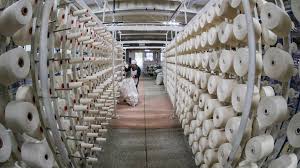
The Indonesian textile and textile products (TPT) industry is facing serious pressure due to the recent surge in prices of key raw materials. This situation has raised concerns about a decline in production utilization, both in the upstream and downstream sectors, as the cost burden on industry players increases.
The Chairperson of the Indonesian Yarn and Filament Producers Association (APSyFI), Redma Gita Wirawasta, revealed that significant increases have occurred in several key raw materials, such as paraxylene (PX), purified terephthalic acid (PTA), and monoethylene glycol (MEG). The price surge for these three components has reached around 40%, directly driving a similar percentage increase in the price of polyester-based products. Meanwhile, the price increase for rayon-based materials has been relatively more limited because it is only affected by one key component.
The pressure on the industry stems not only from raw materials but also from increasing logistics costs. Rising shipping costs, particularly for insurance, have also limited the scope for businesses to maintain operational efficiency. The combination of expensive raw materials and high distribution costs is putting the industry under increasing pressure.
From the supply side, APSyFI stated that raw material availability remains relatively secure until April 2026. This is supported by guaranteed supply from Pertamina, particularly for PX, a key component in polyester production. However, supply stability alone is considered insufficient to mitigate the pressure, given that price increases remain a major challenge.
Furthermore, not all industry players are able to absorb these cost increases. Limited market purchasing power has the potential to cause a decline in production in the near term. If this situation persists, textile industry utilization is expected to decline again.
To anticipate a deeper impact, industry players emphasize the importance of long-term raw material supply security. Furthermore, government policy support is also considered crucial, particularly through the provision of fiscal incentives such as reductions or waivers of Value Added Tax (VAT) for domestic raw materials to ease production costs.
Previously, the Indonesian Textile Association (API) also highlighted the rising price of polyester, a petroleum derivative. This increase was triggered by geopolitical dynamics, particularly the conflict in the Middle East involving the United States, Israel, and Iran. This situation has had a direct impact on global energy commodity prices, which are the basis for textile raw material production.
API representative, Geraldi Halomoan, stated that the price increase for raw materials such as PX, PET, and MEG was also influenced by high domestic demand. He added that the majority of clothing products in Indonesia use a blend of polyester with cotton or rayon, so the increase in raw material prices has had a broad impact on the industry.
Furthermore, business concerns have increased due to the potential for rising energy and logistics costs as a result of the global conflict. Threats to fuel supplies are considered to impact the performance and productivity of the national textile industry as a whole.
With these various pressures, the Indonesian textile industry is now in an increasingly vulnerable position. Without appropriate policy intervention and maintained supply stability, declining production has the potential to become a real challenge in the near future.