
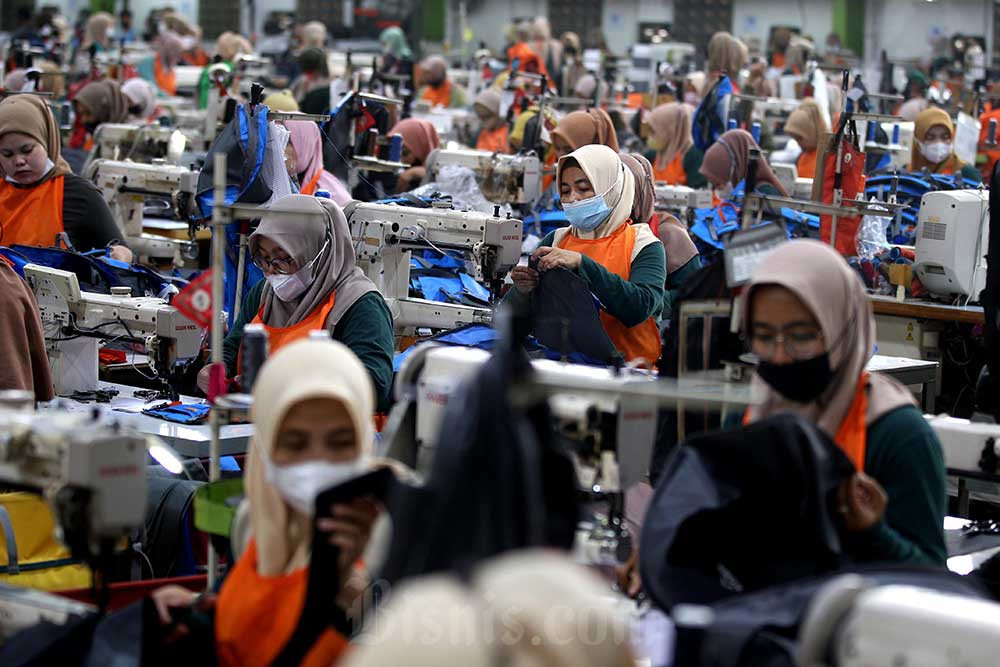
Geopolitical tensions in the Middle East, particularly the conflict involving Iran, are beginning to raise concerns for the national textile industry. Businesses believe this situation has the potential to trigger increased production costs due to disruptions to the raw material supply chain and increased logistics costs. Therefore, industry players are urging the government to prepare various stimulus measures to maintain the continuity of production and the competitiveness of the domestic textile sector.
Redma Gita Wirawasta, Chairperson of the Indonesian Filament Fiber and Yarn Producers Association (APSyFI), explained that approximately 85% of one of the textile industry's main raw materials, monoethylene glycol (MEG), is still sourced from the Middle East. This situation makes the domestic industry quite vulnerable to supply disruptions if the conflict in the region continues to escalate.
According to him, if distribution is disrupted, the direct impact will be increased logistics costs. This includes increased shipping insurance costs and longer transportation times. This situation has the potential to hamper export activities, especially to the European market, which is highly sensitive to timely delivery. He assessed that rising costs and logistics delays could impact the competitiveness of Indonesian textile products in the international market.
On the other hand, imports of textiles and textile products (TPT) into Indonesia are not expected to experience significant disruptions. This is because approximately 90% of imported yarn and fabric supplies originate from China, making them less affected by the dynamics of the Middle East conflict.
For other raw materials, such as purified terephthalic acid (PTA), the national textile industry is relatively secure because approximately 95% of its supply can be met domestically. However, to anticipate potential disruptions to MEG supplies from the Middle East, industry players have begun seeking alternative import sources from other countries, one of which is Malaysia. Currently, business players still have MEG stocks estimated to be sufficient for more than two months of production needs.
However, industry players remain concerned about the impact of the conflict on overall export performance. In addition to potential logistical obstacles to Europe, textile exports to the United States also face challenges due to the global tariff policies imposed by US President Donald Trump.
Redma believes this situation could depress the performance of the textile industry ecosystem as a whole. Therefore, he urged the government to strengthen domestic market protection so that domestic industries can gain greater control of the national market, which is currently dominated by around 60% of imported products.
In addition to market protection policies, entrepreneurs also hope for fiscal stimulus to help reduce potentially rising production costs. Some proposed forms of support include providing government-borne value-added tax (PPN DTP) facilities, electricity tariff discounts for industry, and financing interest subsidies.
According to entrepreneurs, these various incentives can help lower production costs, thereby maintaining the competitiveness of domestic textile product prices, especially in the face of imported products sold at very low prices or dumping in the domestic market. This policy support is considered crucial for maintaining the stability of the national textile industry amidst increasingly uncertain global geopolitical pressures.