
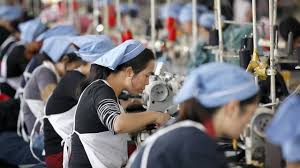
The national textile and textile products (TPT) industry has reaffirmed its position as a strategic sector that remains resilient amidst global dynamics. Amidst various narratives labeling this industry as a "sunset industry," the government sees the opposite. The sector's performance is considered stable and has even shown consistent growth in recent times.
Minister of Industry, Agus Gumiwang Kartasasmita, emphasized that the TPT industry is not a declining sector. According to him, despite facing external pressures such as global economic uncertainty and supply chain disruption, the industry has maintained its growth. This reflects the strong resilience of the labor-intensive manufacturing sector, which is one of the backbones of the national economy.
This statement was made at the opening of the Indo Intertex & Inatex 2026 event held at the Jakarta International Expo Kemayoran. This exhibition is one of the largest in Southeast Asia and brings together various textile industry players, from manufacturers to related associations. The presence of industry figures such as Jemmy Kartiwa Sastraatmadja also strengthened optimism for the future of this sector.
Industry performance data shows quite encouraging results. Throughout 2025, the textile and textile industry sector recorded annual growth of 3.55%. Export value reached US$12.08 billion, with a surplus of US$3.45 billion, largely supported by apparel exports. This achievement indicates that Indonesian textile products remain competitive in the international market.
In terms of investment, business interest also remains high. The textile and textile industry managed to attract Rp20.23 trillion in investment, reflecting a strong level of confidence amidst global uncertainty. This indicates that this sector is not only resilient but also continues to grow and attract investor attention.
In addition to contributing to economic growth, the textile industry also plays a significant role in employment. This sector employs approximately 3.96 million workers, or nearly 19.5% of the total workforce in the manufacturing industry. This figure confirms that the textile and textile industry remains one of the largest labor-intensive sectors in Indonesia.
Nevertheless, various challenges must still be addressed collectively. Rising global raw material prices, supply chain disruptions, and fluctuations in international market demand are factors that must be anticipated. The government believes that synergy between industry players, associations, and policymakers is key to responding effectively to these challenges.
With the right strategy, strong collaboration, and adaptive policy support, the Indonesian textile industry is believed to be capable of maintaining continued growth and strengthening its position in the global market. Rather than becoming a fading industry, this sector demonstrates resilience and remains wide open for opportunities amidst a rapidly changing world.